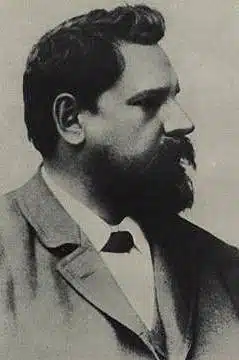
Zdenko Fibich Poem Performed by Ray Cruz on Clavinova
- Classical music composed by Zdeněk Fibich Now download MP3 here: www.ergonica.net . Ray Cruz interprets 'Poem' from the romantic era by Zdenko Fibich in a romantic piano style. The Clavinova is also a vintage classic - the CVP-30 ... still performs marvelously over nearly 20 years (only needed a little WD-40 when one key got stuck)! For piano buffs, this edition of Poem was published by G. Schirmer, Inc., copyright 1920, transcribed by Erno Rapée. Judging from what is played on YouTube and other media, this edition is much more robust and satisfying for the pianist (and listener) than what is usually performed. I must confess: I did repeat the main section which repitition was not in the book. Mea culpa! I'm curious, does anyone else play this version of Poem by Fibich? Be sure to visit my channel for more interesting stuff.
Related Videos
Poem - Zdenko Fibich
This classical romantic music played by Victor Silvester´s Orchestra, is one the the first recorded. It is worthy to hearing it. It was recorded around the thirties. Esta música clássica romântica tocada pela Orquestra Victor Silvester, é um dos primeiros gravados. Vale a pena ouvir. Foi gravado em torno dos anos trinta.
Poem by Zdenko Fibich
Another random miscellaneous piece I found in a big classical compilation book. Yes, I have to read it in the video, I'm no prodigy with great memorization skills :p
Poem by Zdenko Fibich
A recording of an old song, fittingly on my archaic upright complete with sticky keys : D Please enjoy as this is my first recording. Poem by Zdenko Fibich (1850 - 1900)
Zdeněk Fibich Piano Quintet (1st mvt.) [w/ score]
Zdeněk Fibich (December 21, 1850 October 15, 1900) was a Czech composer of classical music, including chamber works (including two string quartets, a piano trio, piano quartet and a quintet for piano, strings and winds), symphonic poems, three symphonies, at least seven operas, the most famous probably Šárka and The Bride of Messina; melodramas including the substantial trilogy Hippodamia, liturgical music including a mass - a missa brevis; and a large cycle (almost 400 pieces, from the 1890s) of piano works called Moods, Impressions, and Reminiscences among other works. The piano cycle served as a diary of sorts of his love for a piano pupil. He was born in Všebořice (Šebořice) near Čáslav.
Zdenek Fibich - Toman and the Wood Nymph Op. 49 (1874)
Toman and the Wood Nymph (Tone Poem) by Zdenek Fibich. Conducted by Douglas Bostock with the Carlsbad Symphony Orchestra. Zdeněk Fibich (Czech pronunciation: [ˈzdɛɲɛk ˈfɪbɪx]) (December 21, 1850 -- October 15, 1900) was a Czech composer of classical music, including chamber works (including two string quartets, a piano trio, piano quartet and a quintet for piano, strings and winds), symphonic poems, three symphonies, at least seven operas, the most famous probably Šárka and The Bride of Messina; melodramas including the substantial trilogy Hippodamia, liturgical music including a mass - a missa brevis; and a large cycle (almost 400 pieces, from the 1890s) of piano works called Moods, Impressions, and Reminiscences among other works. The piano cycle served as a diary of sorts of his love for a piano pupil. He was born in Všebořice (Šebořice) near Čáslav.
Zdenek Fibich - Poem
An obscure (and humorous) version of Zdenek Fibich´s Poem performed by Jan Rybar (violin) and Hitmakers Orchestra. Conducted by Vojtech Havlik. Poem was performed during celebration concert of Hitmakers orchestra on 20.12.2008 in Gymnazium Jana Nerudy´s concert hall in Prague.
Mestre Robson Miguel - Poema - Zdeněk Fibich
O Mestre Robson Miguel apresenta a obra "Poema" do autor Zdeněk Fibich do Período Romântico / Expressionista, que está no curso em DVD O VIOLÃO CLASSICO E BRASILEIRO á venda no site:www.robsonmiguel.com.br
Beau Soir by Claude Debussy poem by Paul Bourget
"Beau Soir" is a French art song written by Claude Debussy. It is a setting of a poem by Paul Bourget. Debussy was seventeen or eighteen when he wrote this song (ca.1880), and his music was marked by the aesthetics of the period. Sung here by Christian Tatonetti Lorsque au soleil couchant les rivières sont roses Et qu'un tiède frisson court sur les champs de blé, Un conseil d'être heureux semble sortir des choses Et monter vers le coeur troublé. Un conseil de goûter le charme d'être au monde Cependant qu'on est jeune et que le soir est beau, Car nous nous en allons, comme s'en va cette onde: Elle à la mer, nous au tombeau. "Beau Soir" has been recorded by many singers, including Barbra Streisand (on her album Classical Barbra), Maggie Teyte, Jean Stilwell, Véronique Gens,Christian Tatonetti (seen on this video) Giuseppe de Luca, Dietrich Fischer-Dieskau, and Jessye Norman Christian Tatonetti was born in Montreal. itunes.apple.com Helived for ten year son Salt Spring Island, and now resides in Victoria. This innovative musician plays sitar, piano and is currently studying classical singing at the Victoria Conservatory of Music with the illustrious soprano Nancy Argenta. He won first prize for best original song at "Le Gala Provincial de laChanson" in British-Columbia in 2002. He was awarded "Best Singer Interpreter" at the same Provincial competition in 2004. Christian also joined Théâtre Inconnu for their production of ''Jacques Brel is Alive and Well and Living in Paris <b>...</b>
Cavatina performed by Xue-fei Yang
This beautiful classical guitar piece is composed by Stanley Myers, and is the theme from the movie "Deer Hunter".
The guitar recording featured in the movie was performed by one of the greatest guitarist in the world - John Williams.
Guitar tablature: http://www.classtab.org/smcavati.txt
This beautiful classical guitar piece is composed by Stanley Myers, and is the theme from the movie "Deer Hunter".The guitar recording featured in the movie was performed by one of the greatest guitarist in the world - John Williams.
Guitar tablature: http://www.classtab.org/smcavati.txt
Grande Piece Symphonique performed by Organist Joseph Felice
You are viewing and listening to Cesar Franck's "Grande Piece Symphonique", as performed by Joseph Felice using the sampled sounds of the Matyas (Saint Matthias) pipe organ of Notre Dame Church in Budapest Hungary, made available by InspiredAcoustics.com under license of Hauptwerk software.
J N David "Chaconne in A Minor" Performed by Joseph Felice
You are viewing and listening to "Chaconne in A Minor", composed by Johann Nepomuk David in 1927, and performed live by Joseph Felice, using sounds from InspiredAcoustics.com Matyas (Rieger-Kloss organ of St. Matthias Church of Our Lady in Budapest, Hungary) virtual pipe organ sample library, under license of Hauptwerk software.<br /><br />The Matyas organ console you see is a photorealistic depiction of the stops, keys, pedals and other moving parts of the real Rieger pipe organ. The sound of this instrument was augmented with third party convolution reverb in the form of an Apple Space Designer surround impulse response.<br /><br />Opinions and comments are welcomed and encouraged.<br /><br />Enjoy,<br /><br />Joseph Felice
Cavatina performed by Xue-fei Yang
This beautiful classical guitar piece is composed by Stanley Myers, and is the theme from the movie "Deer Hunter". The guitar recording featured in the movie was performed by one of the greatest guitarist in the world - John Williams. Guitar tablature: www.classtab.org
Joshua Bell Stop and Hear the Music by the Washington Post
From the Washington Post:
Pearls Before Breakfast
Can one of the nation's great musicians cut through the fog of a D.C. rush hour? Let's find out.
By Gene Weingarten
Washington Post Staff Writer
Sunday, April 8, 2007; Page W10
HE EMERGED FROM THE METRO AT THE L'ENFANT PLAZA STATION AND POSITIONED HIMSELF AGAINST A WALL BESIDE A TRASH BASKET. By most measures, he was nondescript: a youngish white man in jeans, a long-sleeved T-shirt and a Washington Nationals baseball cap. From a small case, he removed a violin. Placing the open case at his feet, he shrewdly threw in a few dollars and pocket change as seed money, swiveled it to face pedestrian traffic, and began to play.
It was 7:51 a.m. on Friday, January 12, the middle of the morning rush hour. In the next 43 minutes, as the violinist performed six classical pieces, 1,097 people passed by. Almost all of them were on the way to work, which meant, for almost all of them, a government job. L'Enfant Plaza is at the nucleus of federal Washington, and these were mostly mid-level bureaucrats with those indeterminate, oddly fungible titles: policy analyst, project manager, budget officer, specialist, facilitator, consultant.
...for the rest of the article go to:
http://www.washingtonpost.com/wp-dyn/content/article/2007/04/04/AR2007040401721.html
From the Washington Post:Pearls Before Breakfast
Can one of the nation's great musicians cut through the fog of a D.C. rush hour? Let's find out.
By Gene Weingarten
Washington Post Staff Writer
Sunday, April 8, 2007; Page W10
HE EMERGED FROM THE METRO AT THE L'ENFANT PLAZA STATION AND POSITIONED HIMSELF AGAINST A WALL BESIDE A TRASH BASKET. By most measures, he was nondescript: a youngish white man in jeans, a long-sleeved T-shirt and a Washington Nationals baseball cap. From a small case, he removed a violin. Placing the open case at his feet, he shrewdly threw in a few dollars and pocket change as seed money, swiveled it to face pedestrian traffic, and began to play.
It was 7:51 a.m. on Friday, January 12, the middle of the morning rush hour. In the next 43 minutes, as the violinist performed six classical pieces, 1,097 people passed by. Almost all of them were on the way to work, which meant, for almost all of them, a government job. L'Enfant Plaza is at the nucleus of federal Washington, and these were mostly mid-level bureaucrats with those indeterminate, oddly fungible titles: policy analyst, project manager, budget officer, specialist, facilitator, consultant.
...for the rest of the article go to:
http://www.washingtonpost.com/wp-dyn/content/article/2007/04/04/AR2007040401721.html
Classical Medley by Buddy Greene on the Harmonica
SINCE PEOPLE KEEP ASKING, HERE ARE THE SONGS THAT HE PLAYED ACCORDING TO COMMENTERS:
1ST: 'Jesu, Joy Of Man's Desiring' by Johann Sebastian Bach.
2ND: Mozart's Piano Sonata in C, K. 545 - Allegro
3RD: Rossini's William Tell overture (known to most as the theme from 'The Lone Ranger')
WOW. He's so good on the harmonica!Buddy has talent pouring out from his ears. He also can sing, play the guitar, and he writes music (he wrote the music for 'Mary Did You Know') but he's most known for his Harmonica. Not to mention he is a really funny, cool guy.
SINCE PEOPLE KEEP ASKING, HERE ARE THE SONGS THAT HE PLAYED ACCORDING TO COMMENTERS:1ST: 'Jesu, Joy Of Man's Desiring' by Johann Sebastian Bach.
2ND: Mozart's Piano Sonata in C, K. 545 - Allegro
3RD: Rossini's William Tell overture (known to most as the theme from 'The Lone Ranger')
WOW. He's so good on the harmonica!Buddy has talent pouring out from his ears. He also can sing, play the guitar, and he writes music (he wrote the music for 'Mary Did You Know') but he's most known for his Harmonica. Not to mention he is a really funny, cool guy.
Jascha Heifetz Plays Rondo by Mozart
Jascha Heifetz plays Rondo (from Serenade No. 7 "Haffner", K. 250) by Mozart.
Murray Perahia - Felix Mendelssohn Fantasy in F- Scottish Sonata Op28
Murray (Moshe) Perahia was born in the Bronx borough of New York City to a family of Sephardi Jewish origin. According to the biography on his Mozart piano sonatas CD, his first language was Ladino. The family came from Thessaloniki. His father moved to the United States in 1935; many family members perished in the Holocaust a few years later.
Perahia began studying the piano at age four with a teacher he says was "very limiting" because she made him play a single piece until it was perfect. He says his musical interests blossomed at age fifteen for reasons he can't explain, and he began to practice seriously. At seventeen, Perahia attended Mannes College, where he studied keyboard, conducting, and composition with his teacher and mentor Mieczysław Horszowski. During the summer, he also attended Marlboro, where he studied with musicians Rudolf Serkin, Alexander Schneider, and Pablo Casals, among others. He played duets for piano four hands with Serkin, who later made Perahia his assistant at the Curtis Institute in Philadelphia, a position he held for over a year.
In 1965 Perahia won the Young Concert Artists International Auditions. In 1972, he was the first North American to win first prize at the Leeds Piano Competition, helping to cement its reputation for advancing the careers of young pianistic talent. Dr. Fanny Waterman recalls anecdotally (in Wendy Thompson's book Piano Competition: The Story of the Leeds) that Horszowski had phoned her prior to the competition, announcing that he would be the winner. Other American contestants had apparently withdrawn their applications upon hearing that Perahia would be competing.
Perahia resides in London.
]Music career
In 1973 he worked with Benjamin Britten and Peter Pears at the Aldeburgh Festival, and with fellow pianist Radu Lupu. He was co-artistic director of the Festival from 1981 to 1989.
In the 1980s, Perahia was invited to work with Vladimir Horowitz, an admirer of his art. Perahia says this had a defining influence on his pianism.
Perahia's first major recording project was the complete piano concertos by Mozart, conducted from the keyboard with the English Chamber Orchestra. In the 1980s, he also recorded all the Beethoven piano concertos, with Bernard Haitink and the Royal Concertgebouw Orchestra.
[edit]Hand injury
In 1990, Perahia suffered a cut to his right thumb, which became septic. He took antibiotics for this condition, but they affected his health. In 1992, his career was threatened by a bone abnormality in his hand causing inflammation requiring several years away from the keyboard, and a series of operations. During that time, he says, he found solace through studying the music of Johann Sebastian Bach. After being given the all-clear, he produced in the late 1990s a series of award-winning recordings of Bach's keyboard works, most notably a cornerstone rendition of the Goldberg Variations.
(Wikipedia)
Murray (Moshe) Perahia was born in the Bronx borough of New York City to a family of Sephardi Jewish origin. According to the biography on his Mozart piano sonatas CD, his first language was Ladino. The family came from Thessaloniki. His father moved to the United States in 1935; many family members perished in the Holocaust a few years later.Perahia began studying the piano at age four with a teacher he says was "very limiting" because she made him play a single piece until it was perfect. He says his musical interests blossomed at age fifteen for reasons he can't explain, and he began to practice seriously. At seventeen, Perahia attended Mannes College, where he studied keyboard, conducting, and composition with his teacher and mentor Mieczysław Horszowski. During the summer, he also attended Marlboro, where he studied with musicians Rudolf Serkin, Alexander Schneider, and Pablo Casals, among others. He played duets for piano four hands with Serkin, who later made Perahia his assistant at the Curtis Institute in Philadelphia, a position he held for over a year.
In 1965 Perahia won the Young Concert Artists International Auditions. In 1972, he was the first North American to win first prize at the Leeds Piano Competition, helping to cement its reputation for advancing the careers of young pianistic talent. Dr. Fanny Waterman recalls anecdotally (in Wendy Thompson's book Piano Competition: The Story of the Leeds) that Horszowski had phoned her prior to the competition, announcing that he would be the winner. Other American contestants had apparently withdrawn their applications upon hearing that Perahia would be competing.
Perahia resides in London.
]Music career
In 1973 he worked with Benjamin Britten and Peter Pears at the Aldeburgh Festival, and with fellow pianist Radu Lupu. He was co-artistic director of the Festival from 1981 to 1989.
In the 1980s, Perahia was invited to work with Vladimir Horowitz, an admirer of his art. Perahia says this had a defining influence on his pianism.
Perahia's first major recording project was the complete piano concertos by Mozart, conducted from the keyboard with the English Chamber Orchestra. In the 1980s, he also recorded all the Beethoven piano concertos, with Bernard Haitink and the Royal Concertgebouw Orchestra.
[edit]Hand injury
In 1990, Perahia suffered a cut to his right thumb, which became septic. He took antibiotics for this condition, but they affected his health. In 1992, his career was threatened by a bone abnormality in his hand causing inflammation requiring several years away from the keyboard, and a series of operations. During that time, he says, he found solace through studying the music of Johann Sebastian Bach. After being given the all-clear, he produced in the late 1990s a series of award-winning recordings of Bach's keyboard works, most notably a cornerstone rendition of the Goldberg Variations.
(Wikipedia)
Prayer from Jewish Life by Bloch for viola and guitar
A PINCH OF OY, A DASH OF AHH!<br />TheLeVassor Duo:<br />Steven Rosen & Richard Goering.<br />Available at:<br />http://www.cdbaby.com/cd/rosengoering#<br />and :<br />http://www.ourjewishcommunity.org/?s=a+pinch+of+oy+a+dash+of+ahh!<br />St. Paul, Minnesota native Steven Rosen joined the Cincinnati Symphony in 1982. He was previously a member of both the Netherlands Rotterdam Philharmonic and the Israel Chamber Orchestra. He attended the Cleveland Institute of Music and is a former principal violist and soloist with the Toledo Symphony. He has participated in the Blossom and Aspen music festivals. Steven has appeared as soloist with the Cincinnati Symphony.<br />We have added some new tunes to some of the music from our first CD <br /> and they are available for digital download at:<br />http://www.amazon.com/s/ref=nb_sb_noss?url=search-alias%3Daps&field-keywords=a+pinch+of+oy&x=0&y=0<br />and:<br />http://itunes.apple.com/us/album/a-bigger-pinch-of-oy/id385134333
2) Ray Reussner: Guitar / Tandy Reussner: Organ / Boccherini Concert
Ray Reussner, classical guitarist, and Tandy C. Reussner: 1996 Wolff 3-65 organ perform the second movement "Andante cantabile" from Luigi Boccherini's Concerto in E major in the grand acoustics of Bales Organ Recital Hall, University of Kansas, Lawrence. The piece was originally written as Boccherini's Concerto for Cello & Orchestra No.6 in D, G479 - It was arranged as Concerto in E for Guitar and Orchestra by Gaspar Cassado (1896/1966) - It was recorded as such by Andrés Segovia. Ray studied with Segovia, off and on, for 20 years, as well as with John Williams at the Royal Conservatory. He is considered to be one of the very few "true" remaining links to Maestro Andres Segovia. "The dedication to his profession, his talent and his willingness to work have made him into one of the most distinguished young guitarists of today, deserving of the success that awaits him and that I predict for him ... He shows a refined sensitivity and gift for interpretation, a perfect knowledge of the guitar technique." Andres Segovia From an upcoming DVD release on Heartside Music. See heartsidemusic.com or visit Ray at http Guitar constructed by Ray Reussner. Tandy C. Reussner holds degrees in Organ Performance from the University of Kansas and the Eastman School of Music. A Fulbright Scholar to Freiburg, Germany and winner of two national organ competitions, Reussner has studied with James Higdon, Zsigmond Szathmary, John Ditto, David Craighead, and David Higgs.
David Fray / Schubert - Moment Musicaux No3
ALBUM OUT NOW: www.frayschubert.com After his Bach concertos, a classical bestseller in both France and Germany, the young French pianist David Fray brings his unique sensibilities to Schubert.
Edgar Cruz - Bohemian Rhapsody classical guitar
http://videoprogressions.tv/downloads/product_info.php?products_id=35
"Bohemian Rhapsody" arranged for solo guitar by Edgar Cruz. Performance and Teaching excerpts.
http://videoprogressions.tv/downloads/product_info.php?products_id=35"Bohemian Rhapsody" arranged for solo guitar by Edgar Cruz. Performance and Teaching excerpts.
Edgar Cruz - Bohemian Rhapsody (classical guitar)
videoprogressions.tv "Bohemian Rhapsody" arranged for solo guitar by Edgar Cruz. Performance and Teaching excerpts.
JS Bach Piano Invention No. 1 in C Major by Ray Cruz
Now download MP3 here: www.ergonica.net . Enjoy a non-traditional interpretation of JS Bach Invention No. 1 as performed by Ray Cruz on July 4, 2008. Happy Independence Day!
Jascha Heifetz plays Tchaikovsky Violin Concerto 1st mov
Jascha Heifetz plays Tchaikovsky Violin Concerto in D Major, Op. 35: I. Allegro moderato
Luciano Pavarotti - La Donna è Mobile Rigoletto
The "king" Luciano Pavarotti as Il Duca di Mantova in the screen movie "Rigoletto" (1983) based on Giuseppe Verdi's opera with the same name (1851).
La Donna è Mobile - Giuseppe Verdi
La donna è mobile
Qual piuma al vento
Muta d'accento
E di pensiero
Sempre un'amabile
Leggiadro viso
In pianto o in riso
È menzognero
La donna è mobil
Qual piuma al vento
Muta d'accento
E di pensier
E di pensier
E di pensier
è sempre misero
Chi a lei s'affida
Chi le confida
Mal cauto il core
Pur mai non sentesi
Felice appieno
Chi su quel seno
Non liba amore
La donna è mobil
Qual piuma al vento
Muta d'accento
E di pensier
E di pensier
E di pensier...
The "king" Luciano Pavarotti as Il Duca di Mantova in the screen movie "Rigoletto" (1983) based on Giuseppe Verdi's opera with the same name (1851).La Donna è Mobile - Giuseppe Verdi
La donna è mobile
Qual piuma al vento
Muta d'accento
E di pensiero
Sempre un'amabile
Leggiadro viso
In pianto o in riso
È menzognero
La donna è mobil
Qual piuma al vento
Muta d'accento
E di pensier
E di pensier
E di pensier
è sempre misero
Chi a lei s'affida
Chi le confida
Mal cauto il core
Pur mai non sentesi
Felice appieno
Chi su quel seno
Non liba amore
La donna è mobil
Qual piuma al vento
Muta d'accento
E di pensier
E di pensier
E di pensier...
Summertime - Piano Improvisation
at the moment I live in Germany and here the summer is nearly always much humid one (RAIN), I hatred this type of summer and I have tried this my version of "Summertime" what mean's for me this 2007 German much rain summer.
Many of his compositions have been used on television and in numerous films, and many became jazz standards. The jazz singer Ella Fitzgerald recorded many of the Gershwins' songs on her 1959 Gershwin Songbook (arranged by Nelson Riddle). Countless singers and musicians have recorded Gershwin songs, including Fred Astaire, Louis Armstrong, Al Jolson, Bobby Darin, Art Tatum, Bing Crosby, Janis Joplin, John Coltrane, Frank Sinatra, Billie Holiday, Sam Cooke, Miles Davis, Herbie Hancock, Madonna, Judy Garland, Julie Andrews, Barbra Streisand, Marni Nixon, Natalie Cole, Patti Austin, Nina Simone, Maureen McGovern, John Fahey, The Residents, Sublime, and Sting.
About the composer:
George Gershwin (September 26, 1898 July 11, 1937) was an American composer and pianist whose early death brought to a premature halt one of the most remarkable careers in American music. Gershwin's compositions spanned both popular and classical genres, and his most popular melodies are universally familiar. He wrote most of his vocal and theatrical works in collaboration with his elder brother, lyricist Ira Gershwin. George Gershwin composed music for both Broadway and the classical concert hall, as well as popular songs that brought his work to an even wider public.
Gershwin's compositions have been used in numerous films and on television, and many became jazz standards recorded in numerous variations. Countless singers and musicians have recorded Gershwin songs.
Early life
Gershwin was named Jacob Gershowitz at birth in Brooklyn on September 26, 1898. His parents were Russian Jews. His father, Morris (Moishe) Gershowitz, changed his family name to 'Gershvin' sometime after immigrating to the United States from St. Petersburg, Russia in the early 1890s. Gershwin's mother Rosa Bruskin had already immigrated from Russia. She met Gershowitz in New York and they married on July 21, 1895.[1] (George changed the spelling of the family name to 'Gershwin' after he became a professional musician; other members of his family followed suit.)
George Gershwin was the second of four children.[2] He first displayed interest in music at the age of ten, when he was intrigued by what he heard at his friend Maxie Rosenzweig's violin recital.[3] The sound and the way his friend played captured him. His parents had bought a piano for lessons for his older brother Ira, but to his parents' surprise and Ira's relief, it was George who played it.[4] Although his younger sister Frances Gershwin was the first in the family to make money from her musical talents, she married young and devoted herself to being a mother and housewife. She gave up her performing career, but settled into painting for another creative outlet — painting was also a hobby of George Gershwin.
Gershwin tried various piano teachers for two years, and then was introduced to Charles Hambitzer by Jack Miller, the pianist in the Beethoven Symphony Orchestra. Until Hambitzer's death in 1918, he acted as Gershwin's mentor. Hambitzer taught Gershwin conventional piano technique, introduced him to music of the European classical tradition, and encouraged him to attend orchestra concerts.[5] (At home following such concerts, young Gershwin would attempt to reproduce at the piano the music that he had heard.) Gershwin later studied with classical composer Rubin Goldmark and avant-garde composer-theorist Henry Cowell.
at the moment I live in Germany and here the summer is nearly always much humid one (RAIN), I hatred this type of summer and I have tried this my version of "Summertime" what mean's for me this 2007 German much rain summer.Many of his compositions have been used on television and in numerous films, and many became jazz standards. The jazz singer Ella Fitzgerald recorded many of the Gershwins' songs on her 1959 Gershwin Songbook (arranged by Nelson Riddle). Countless singers and musicians have recorded Gershwin songs, including Fred Astaire, Louis Armstrong, Al Jolson, Bobby Darin, Art Tatum, Bing Crosby, Janis Joplin, John Coltrane, Frank Sinatra, Billie Holiday, Sam Cooke, Miles Davis, Herbie Hancock, Madonna, Judy Garland, Julie Andrews, Barbra Streisand, Marni Nixon, Natalie Cole, Patti Austin, Nina Simone, Maureen McGovern, John Fahey, The Residents, Sublime, and Sting.
About the composer:
George Gershwin (September 26, 1898 July 11, 1937) was an American composer and pianist whose early death brought to a premature halt one of the most remarkable careers in American music. Gershwin's compositions spanned both popular and classical genres, and his most popular melodies are universally familiar. He wrote most of his vocal and theatrical works in collaboration with his elder brother, lyricist Ira Gershwin. George Gershwin composed music for both Broadway and the classical concert hall, as well as popular songs that brought his work to an even wider public.
Gershwin's compositions have been used in numerous films and on television, and many became jazz standards recorded in numerous variations. Countless singers and musicians have recorded Gershwin songs.
Early life
Gershwin was named Jacob Gershowitz at birth in Brooklyn on September 26, 1898. His parents were Russian Jews. His father, Morris (Moishe) Gershowitz, changed his family name to 'Gershvin' sometime after immigrating to the United States from St. Petersburg, Russia in the early 1890s. Gershwin's mother Rosa Bruskin had already immigrated from Russia. She met Gershowitz in New York and they married on July 21, 1895.[1] (George changed the spelling of the family name to 'Gershwin' after he became a professional musician; other members of his family followed suit.)
George Gershwin was the second of four children.[2] He first displayed interest in music at the age of ten, when he was intrigued by what he heard at his friend Maxie Rosenzweig's violin recital.[3] The sound and the way his friend played captured him. His parents had bought a piano for lessons for his older brother Ira, but to his parents' surprise and Ira's relief, it was George who played it.[4] Although his younger sister Frances Gershwin was the first in the family to make money from her musical talents, she married young and devoted herself to being a mother and housewife. She gave up her performing career, but settled into painting for another creative outlet — painting was also a hobby of George Gershwin.
Gershwin tried various piano teachers for two years, and then was introduced to Charles Hambitzer by Jack Miller, the pianist in the Beethoven Symphony Orchestra. Until Hambitzer's death in 1918, he acted as Gershwin's mentor. Hambitzer taught Gershwin conventional piano technique, introduced him to music of the European classical tradition, and encouraged him to attend orchestra concerts.[5] (At home following such concerts, young Gershwin would attempt to reproduce at the piano the music that he had heard.) Gershwin later studied with classical composer Rubin Goldmark and avant-garde composer-theorist Henry Cowell.
Tchaikovsky - None But The Lonely Hearts
Title : Pyotr Il'yich Tchaikovsky,(None But The Lonely Hearts) Songs (6), Op. 6: no 6, None but the lonely heart.
This, one of Tchaikovsky's best-loved vocal pieces, comes from his collection of six songs, Op. 6. The fact that it was composed to a Russian translation of its original German text by Goethe often obscures its membership in the large family of setting of the same poem, "Nur wer die Sehnsucht kennt" (Only he who knows loneliness). One of Mignon's songs from the novel Wilhelm Meister, this text inspired most of the Romantic lieder composers, most notably Schubert, Schumann, and Wolf, to compose some of their most memorable settings; the poem's sense of desolate yearning speaks to the very heart of Romanticism, and Tchaikovsky certainly owed allegiance to that aesthetic.
Tchaikovsky's setting makes use of a syncopated chordal accompaniment; the lack of rhythmic grounding and the chromatic nature of chosen harmonies the inner harmony voices conspire to highlight the restless, disquieted tone of Goethe's text.
Title : Pyotr Il'yich Tchaikovsky,(None But The Lonely Hearts) Songs (6), Op. 6: no 6, None but the lonely heart.This, one of Tchaikovsky's best-loved vocal pieces, comes from his collection of six songs, Op. 6. The fact that it was composed to a Russian translation of its original German text by Goethe often obscures its membership in the large family of setting of the same poem, "Nur wer die Sehnsucht kennt" (Only he who knows loneliness). One of Mignon's songs from the novel Wilhelm Meister, this text inspired most of the Romantic lieder composers, most notably Schubert, Schumann, and Wolf, to compose some of their most memorable settings; the poem's sense of desolate yearning speaks to the very heart of Romanticism, and Tchaikovsky certainly owed allegiance to that aesthetic.
Tchaikovsky's setting makes use of a syncopated chordal accompaniment; the lack of rhythmic grounding and the chromatic nature of chosen harmonies the inner harmony voices conspire to highlight the restless, disquieted tone of Goethe's text.