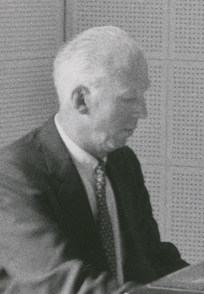
Blue Tango - Leroy Anderson
- Classical music composed by Leroy Anderson A solo guitar version of Leroy Anderson's all time great hit of 1952 loosely based on Pat Donohue's version but with bits added from an old piano version.
Related Videos
Johann Strauss II - The Blue Danube Waltz
Title : Johann Strauss II , The Blue Danube Waltz
Date : 1867
From Wikipedia,The Blue Danube is the common English title of An der schönen blauen Donau op. 314 (On the Beautiful Blue Danube), a waltz by Johann Strauss II, composed in 1867. Originally performed 9 February 1867 at a concert of the Wiener Männergesangsverein (Vienna Men's Choral Association), it has been one of the most consistently popular pieces of music in the classical repertoire. Its initial performance was only a mild success, however, and Strauss is reputed to have said "The devil take the waltz, my only regret is for the coda -- I wish that had been a success!"
The waltz originally had an accompanying song text written by Josef Weyl. Strauss adapted it into a purely orchestral version for the World's Fair in Paris that same year, and it became a great success in this form. The instrumental version is by far the most commonly performed today. An alternate text by Franz von Gernerth, Donau so blau (Danube so blue), is also used on occasion.
The sentimental Viennese connotations of the piece have made it into a sort of unofficial Austrian national anthem. It is a traditional encore piece at the annual Vienna New Year's Concert. The first few bars are also the interval signal of Osterreich Rundfunk's overseas programs.
It is reported by composer Norman Lloyd in his "Golden Encyclopedia of Music" that when asked by Frau Strauss for an autograph, the composer Johannes Brahms autographed Mrs. Strauss's fan by writing on it the first few bars of the Blue Danube. Under it he wrote "Unfortunately not by Johannes Brahms".The work commences with an extended introduction in the key of A major with shimmering (tremolo) violins and a French horn spelling out the familiar waltz theme, answered by staccato wind chords, in a subdued mood. It rises briefly into a loud passage but quickly dies down into the same restful nature of the opening bars. A contrasting and quick phrase in D major anticipates the waltz before 3 quiet downward-moving bass notes "usher in" the first principal waltz melody.
The first waltz theme is familiar gently rising triad motif in cellos and horns in the tonic D major, accompanied by harps; the Viennese waltz beat is accentuated at the end of each 3-note phrase. The Waltz 1A triumphantly ends its rounds of the motif, and waltz 1B follows in the same key; the genial mood is still apparent.
Waltz 2A glides in quietly (still in D major) before a short contrasting middle section in B flat major. The entire section is repeated.
A more dour waltz 3A is introduced in G major before a fleeting eighth-note melodic phrase (waltz 3B). An loud Intrada (introduction) is then played. Waltz 4A starts off in a romantic mood (F major) before a more joyous waltz 4B in the same key.
After another short Intrada in A, cadencing in F-sharp minor, sonorous clarinets spell out the poignant melody of waltz 5A in A. Waltz 5B is the climax, punctuated by cymbal crashes. Each of these may be repeated at the discretion of the performer.
The coda recalls earlier sections (3A and 2A) before furious chords usher in a recap of the romantic Waltz 4A. The idyll is cut short as the waltz hurries back to the famous waltz theme 1A again. This statement is cut short, however, by the final codetta: a variation of 1A is presented, connecting to a rushing eighth-note passage in the final few bars: repeated tonic chords underlined by a snare drumroll and a bright-sounding flourish.
Title : Johann Strauss II , The Blue Danube WaltzDate : 1867
From Wikipedia,The Blue Danube is the common English title of An der schönen blauen Donau op. 314 (On the Beautiful Blue Danube), a waltz by Johann Strauss II, composed in 1867. Originally performed 9 February 1867 at a concert of the Wiener Männergesangsverein (Vienna Men's Choral Association), it has been one of the most consistently popular pieces of music in the classical repertoire. Its initial performance was only a mild success, however, and Strauss is reputed to have said "The devil take the waltz, my only regret is for the coda -- I wish that had been a success!"
The waltz originally had an accompanying song text written by Josef Weyl. Strauss adapted it into a purely orchestral version for the World's Fair in Paris that same year, and it became a great success in this form. The instrumental version is by far the most commonly performed today. An alternate text by Franz von Gernerth, Donau so blau (Danube so blue), is also used on occasion.
The sentimental Viennese connotations of the piece have made it into a sort of unofficial Austrian national anthem. It is a traditional encore piece at the annual Vienna New Year's Concert. The first few bars are also the interval signal of Osterreich Rundfunk's overseas programs.
It is reported by composer Norman Lloyd in his "Golden Encyclopedia of Music" that when asked by Frau Strauss for an autograph, the composer Johannes Brahms autographed Mrs. Strauss's fan by writing on it the first few bars of the Blue Danube. Under it he wrote "Unfortunately not by Johannes Brahms".The work commences with an extended introduction in the key of A major with shimmering (tremolo) violins and a French horn spelling out the familiar waltz theme, answered by staccato wind chords, in a subdued mood. It rises briefly into a loud passage but quickly dies down into the same restful nature of the opening bars. A contrasting and quick phrase in D major anticipates the waltz before 3 quiet downward-moving bass notes "usher in" the first principal waltz melody.
The first waltz theme is familiar gently rising triad motif in cellos and horns in the tonic D major, accompanied by harps; the Viennese waltz beat is accentuated at the end of each 3-note phrase. The Waltz 1A triumphantly ends its rounds of the motif, and waltz 1B follows in the same key; the genial mood is still apparent.
Waltz 2A glides in quietly (still in D major) before a short contrasting middle section in B flat major. The entire section is repeated.
A more dour waltz 3A is introduced in G major before a fleeting eighth-note melodic phrase (waltz 3B). An loud Intrada (introduction) is then played. Waltz 4A starts off in a romantic mood (F major) before a more joyous waltz 4B in the same key.
After another short Intrada in A, cadencing in F-sharp minor, sonorous clarinets spell out the poignant melody of waltz 5A in A. Waltz 5B is the climax, punctuated by cymbal crashes. Each of these may be repeated at the discretion of the performer.
The coda recalls earlier sections (3A and 2A) before furious chords usher in a recap of the romantic Waltz 4A. The idyll is cut short as the waltz hurries back to the famous waltz theme 1A again. This statement is cut short, however, by the final codetta: a variation of 1A is presented, connecting to a rushing eighth-note passage in the final few bars: repeated tonic chords underlined by a snare drumroll and a bright-sounding flourish.
Andre Rieu - The Blue Danube
Beautiful segment of Rieu leading an orchestra in some of the best classical European music ever made.
Anderson & Roe Piano Duo play "LIBERTANGO" (Piazzolla)
www.andersonroe.com | Anderson & Roe play their own arrangement of Astor Piazzolla's "Libertango." * Camera work Ming Wang, Greg Anderson, Elizabeth Roe * Teacher's voice: Estelle Choi A performance of this piece is featured on the Anderson & Roe Piano Duo debut album, "Reimagine!" Greg Anderson & Elizabeth Joy Roe showcase their unique approach to classical music and the piano duo genre in this adrenalized album, featuring breathtaking music, a hard-core performance of Stravinsky's 'Rite of Spring,' and a bonus DVD of music videos. Buy it today on CD Baby (cdbaby.com ), Amazon, iTunes, and DigStation. WATCH the REIMAGINE "TRAILER" here: youtube.com .
ASTOR PIAZZOLLA - LIBERTANGO performed by HET CONSORT
Astor Piazzolla (1921-1992) is especially known for being one of the greatest Argentinean bandonean performers. Like the guitarist Andres Segovia Piazzolla has taken his instrument and the tango on to an international concert stage. He started to play the bandoneon at a very early age and played when only thirteen years old with Carlos Gardél and his band. Once his extraordinary talent was discovered he joint the band of Anibal Tróila, the master of the classical tango. After Tróila´s death Piazzolla went to Paris to study with a government scholarship under Nadia Boulanger. Probably thanks to her Piazzolla became aware of the possibilities of the music of South America and, more particular, the tango music of his homeland Argentina. From this time Piazzolla´s reformed the traditional tango into a style that was called the 'tango nuevo'. Back in his homeland he was soon recognized the leading figure of the genre and it didn´t take long before his international breakthrough became a fact. In 1973 he moved again to Europe; this time to Italy where he started a recording project that took five years to complete. In this time he composed his famous Libertango, a work that brought him fame and an enormous success in Europe.The setting for mandolin orchestra of Piazzollas Libertango by the conductor of HET CONSORT was made after hearing the fine arrangement of the work for accordion orchestra that was made by the Dutch musician Marc Belder. With his orchestration as the <b>...</b>
Tango - Isaac Albéniz
Classical guitarist Nelson Amos plays Tango by Isaac Albeniz at his faculty recital given in 1988 at Eastern Michigan University.
Verano Porteno a Tango by Astor Piazzolla- classical guitar
CD "Inspiracao" available at: www.michaellucarelli.com Michael Lucarelli perfroms Astor Piazzolla's Verano Porteno on classical guitar
Sumi Jo - Verdi - La Traviata - Violetta - Sempre Libera
"Ah! Fors'e lui"
"Sempre Libera"
Sokcho Summer Festival,
Sokcho, South Korea, 2005.
"Ah! Fors'e lui""Sempre Libera"
Sokcho Summer Festival,
Sokcho, South Korea, 2005.
Maria Callas - La Traviata
Maria Callas (1923-1977)
Giuseppe Verdi (1813-1901)
La traviata
E strano! E strano!...Ah, fors'è lui che l'anima...Follie! Follie!...Sempre libera
Orchestra sinfonica di Torino della RAI
Conducted by Gabriele Santini
1953
VIOLETTA (sola)
È strano! È strano! In core
scolpiti ho quegli accenti!
Saria per me sventura un serio amore?
Che risolvi, o turbata anima mia?
Null'uomo ancora t'accendeva -- O gioia
ch'io non conobbi, esser amata amando!
E sdegnarla poss'io
per l'aride follie del viver mio?
Ah, fors'è lui che l'anima
solinga ne' tumulti
godea sovente pingere
de' suoi colori occulti!
Lui che modesto e vigile
all'egre soglie ascese,
e nuova febbre accese,
destandomi all'amor.
A quell'amor ch'è palpito
dell'universo intero,
misterioso, altero,
croce e delizia al cor!
Follie! follie! Delirio vano è questo!
Povera donna, sola,
abbandonata in questo
popoloso deserto
che appellano Parigi.
Che spero or più?
Che far degg'io? Gioire,
di voluttà ne' vortici perir.
Gioir, gioir!
Sempre libera degg'io
folleggiare di gioia in gioia,
vo' che scorra il viver mio
pei sentieri del piacer.
Nasca il giorno, o il giorno muoia,
sempre lieta ne' ritrovi,
a diletti sempre nuovi
dee volare il mio pensier.
ALFREDO (sotto al balcone)
Amore, amor è palpito...
VIOLETTA
Oh!
ALFREDO
...dell'universo intero --
VIOLETTA
Oh amore.
ALFREDO
Misterioso, misterioso, altero,
croce, croce e delizia,
croce e delizia, delizia al cor.
VIOLETTA
Follie! follie! Ah sì! Gioir, gioir!
Sempre libera degg'io
folleggiare di gioia in gioia,
vo' che scorra il viver mio
pei sentieri del piacer.
Nasca il giorno, o il giorno muoia,
sempre lieta ne' ritrovi,
a diletti sempre nuovi,
dee volare il mio pensier.
ALFREDO
Amor è palpito
dell'universo --
VIOLETTA
Ah! Dee volar il mio pensier.
Ah! il mio pensier. Il mio pensier.
Maria Callas (1923-1977)Giuseppe Verdi (1813-1901)
La traviata
E strano! E strano!...Ah, fors'è lui che l'anima...Follie! Follie!...Sempre libera
Orchestra sinfonica di Torino della RAI
Conducted by Gabriele Santini
1953
VIOLETTA (sola)
È strano! È strano! In core
scolpiti ho quegli accenti!
Saria per me sventura un serio amore?
Che risolvi, o turbata anima mia?
Null'uomo ancora t'accendeva -- O gioia
ch'io non conobbi, esser amata amando!
E sdegnarla poss'io
per l'aride follie del viver mio?
Ah, fors'è lui che l'anima
solinga ne' tumulti
godea sovente pingere
de' suoi colori occulti!
Lui che modesto e vigile
all'egre soglie ascese,
e nuova febbre accese,
destandomi all'amor.
A quell'amor ch'è palpito
dell'universo intero,
misterioso, altero,
croce e delizia al cor!
Follie! follie! Delirio vano è questo!
Povera donna, sola,
abbandonata in questo
popoloso deserto
che appellano Parigi.
Che spero or più?
Che far degg'io? Gioire,
di voluttà ne' vortici perir.
Gioir, gioir!
Sempre libera degg'io
folleggiare di gioia in gioia,
vo' che scorra il viver mio
pei sentieri del piacer.
Nasca il giorno, o il giorno muoia,
sempre lieta ne' ritrovi,
a diletti sempre nuovi
dee volare il mio pensier.
ALFREDO (sotto al balcone)
Amore, amor è palpito...
VIOLETTA
Oh!
ALFREDO
...dell'universo intero --
VIOLETTA
Oh amore.
ALFREDO
Misterioso, misterioso, altero,
croce, croce e delizia,
croce e delizia, delizia al cor.
VIOLETTA
Follie! follie! Ah sì! Gioir, gioir!
Sempre libera degg'io
folleggiare di gioia in gioia,
vo' che scorra il viver mio
pei sentieri del piacer.
Nasca il giorno, o il giorno muoia,
sempre lieta ne' ritrovi,
a diletti sempre nuovi,
dee volare il mio pensier.
ALFREDO
Amor è palpito
dell'universo --
VIOLETTA
Ah! Dee volar il mio pensier.
Ah! il mio pensier. Il mio pensier.
Luciano Pavarotti - La Donna è Mobile Rigoletto
The "king" Luciano Pavarotti as Il Duca di Mantova in the screen movie "Rigoletto" (1983) based on Giuseppe Verdi's opera with the same name (1851).
La Donna è Mobile - Giuseppe Verdi
La donna è mobile
Qual piuma al vento
Muta d'accento
E di pensiero
Sempre un'amabile
Leggiadro viso
In pianto o in riso
È menzognero
La donna è mobil
Qual piuma al vento
Muta d'accento
E di pensier
E di pensier
E di pensier
è sempre misero
Chi a lei s'affida
Chi le confida
Mal cauto il core
Pur mai non sentesi
Felice appieno
Chi su quel seno
Non liba amore
La donna è mobil
Qual piuma al vento
Muta d'accento
E di pensier
E di pensier
E di pensier...
The "king" Luciano Pavarotti as Il Duca di Mantova in the screen movie "Rigoletto" (1983) based on Giuseppe Verdi's opera with the same name (1851).La Donna è Mobile - Giuseppe Verdi
La donna è mobile
Qual piuma al vento
Muta d'accento
E di pensiero
Sempre un'amabile
Leggiadro viso
In pianto o in riso
È menzognero
La donna è mobil
Qual piuma al vento
Muta d'accento
E di pensier
E di pensier
E di pensier
è sempre misero
Chi a lei s'affida
Chi le confida
Mal cauto il core
Pur mai non sentesi
Felice appieno
Chi su quel seno
Non liba amore
La donna è mobil
Qual piuma al vento
Muta d'accento
E di pensier
E di pensier
E di pensier...
Gracia - William Tell Overture
Rossini's classical piece performed by three talented violin player ladies from Hungary
The Typewriter - Leroy Anderson
Viennese Percussionist Martin Breinschmid with his version of "The Typewriter".
The Typewriter by Leroy Anderson on a 1950 Decca Record
A 78 rpm Decca record of Leroy Anderson's "The Typewriter" from 1950.
Anderson & Roe Piano Duet play "BLUE DANUBE FANTASY"
www.andersonroe.com | "A New Account of the Blue Danube Waltzes," composed and performed by the Anderson & Roe Piano Duo Camera work Estelle Choi, Yalin Chi, Greg Anderson, Elizabeth Roe Watch the outtakes in the video response section below! In composing this work, we sought to emphasize the emotions that hide beneath the surface of the typically restrained Viennese Waltz. Note: the narrative is not a representation of reality. Yes, we're really playing the piano, but no, we didn't actually meet over a lost mitten, and no, we're not actually romantic lovers. :-) Be sure to watch for: * The choreography of our hands. We wanted to show the similarity between four hands playing together on a piano and four feet on a dance floor. Be sure to listen for: * The musical combining of themes. At times, melodies are layered atop one another, most notably at the climax. Believe it or not, seven melodies from throughout the piece are being played simultaneously (7:49 - 8:10), a real compositional feat! The sheet music for this arrangement is for sale. Visit www.andersonroe.com to instantly purchase a PDF of the score! Or you can purchase the sheet music on amazon.com : www.amazon.com Both the piece and the video are featured on the Anderson & Roe Piano Duo's debut album, "Reimagine." Greg Anderson & Elizabeth Joy Roe showcase their unique approach to classical music and the piano duo genre in this adrenalized album, featuring breathtaking music, a hard-core performance of <b>...</b>
Muriel Anderson - Guitar Techniques
Muriel Anderson plays a fingerstyle guitar arrangement of "Linus and Lucy" from her instruction DVD lesson: "Fingerstyle Guitar Techniques and Arrangements".